
If you decide to avoid alcohol altogether, there are plenty of non-alcoholic alternatives that can still make your social gatherings enjoyable. Look for options with lower levels of triggering chemicals, like low-tannin wines. Managing your overall lifestyle can also help in dealing with migraine symptoms. Stress alcohol and migraines management, good sleep hygiene, and a balanced diet all play crucial roles.
Why does alcohol give me a headache?
- In fact, prospective studies report a limited importance of ADs as migraine trigger.
- While the link between alcohol and migraines is not definitive, certain types of alcoholic drinks have been reported to be more likely to trigger migraines in some individuals.
- While complete avoidance of alcohol may not be feasible or desirable for everyone, mindful consumption paired with deliberate hydration practices offers a practical pathway to managing this common trigger.
- Three studies were evaluated as moderate risk, with 6 “yes” answers 44, 57, 59.
- The datasets generated and/or analysed during the current study are available from the corresponding author on reasonable request.
When you consume alcohol, your liver breaks it down into acetaldehyde, a toxic byproduct, and then into acetic acid, which is less harmful. However, some people have genetic variations in the enzymes responsible for this process, such as alcohol dehydrogenase (ADH) and aldehyde dehydrogenase (ALDH). These variations can lead to a buildup of acetaldehyde, which is known to dilate blood vessels and trigger inflammation—both common precursors to migraines. For instance, individuals of East Asian descent often have an ALDH deficiency, making them more susceptible to migraines after even small amounts of alcohol consumption. For those who prefer beer, light lagers or gluten-free options might be safer choices.
Individual susceptibility factors
Therefore, this hypothesis seems a less likely explanation for our results. Sometimes, migraines don’t plague patients until the next morning, just as their blood-alcohol content level is back to normal. Many people confuse this with a regular hangover until the intensity of the migraine sets in. Other hard liquors, beer, and sparkling wine have also been identified as culprits by the scientific community. The body converts the ethanol in alcohol that we drink to a chemical that can trigger headaches.
Relationship between alcohol and primary headaches: a systematic review and meta-analysis
When someone drinks a lot for a long time, their brain adjusts to the alcohol. It lowers the calming effects of a chemical called GABA and increases another chemical, glutamate, which makes the brain more active. When alcohol intake suddenly stops, this leads to a surge in neural activity, which can trigger intense headaches. There isn’t one best alcohol type for individuals with migraine, because triggers can differ from person to person. The best alcohol for migraine sufferers is typically lighter drinks and those with lower levels of congeners. Dehydration often accompanies alcohol consumption and may worsen migraine symptoms.
How Alcohol Triggers Migraine Attacks
Original studies were selected if they reported in the results a numeric percentage of headache patients referring any ADs as a trigger factor. Other studies useful for the correlation of the results with the pathogenesis of the primary headaches where also selected. The type of alcohol does not seem to affect whether a person gets a headache.
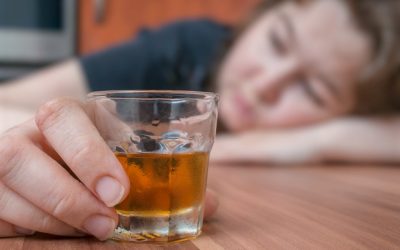
Always check labels for potential additives like artificial sweeteners or preservatives, which have been linked to migraines in some individuals. The correlation between alcohol and migraines, though, might not be as strong as once reported. A cohort study published in 2022 found that among those with episodic migraines who identified as light drinkers, there was no increased probability of a migraine attack within 24 hours of alcohol consumption.
Remaining hydrated is one way to reduce migraine attacks, but the type of beverage you choose matters. Nonalcoholic beverages with little to no added sugar are the best drinks for migraine. These include water, electrolyte drinks, bone Alcohol Use Disorder broth, and diluted fruit juices.
Cluster headache
Distribution of daily alcoholic beverages consumption (total daily quantity and by type of alcoholic drink), for all person‐days, within‐person means, and within‐person SDs. Migraine episodes triggered by alcohol consumption typically happen within about an hour. Delayed alcohol headaches or hangovers generally take hours to start, such as the following day after a night of drinking too much. The role of alcohol in triggering migraine attacks is unclear, and the research is limited. To prevent an alcohol-related migraine headache, try sipping your drink slowly or avoiding triggers.

Magnesium deficiency is a common cause of persistent headaches; eating nuts and seeds can boost the level of this nutrient in your body. Alternatively, yogurt hydrates your body and can help with nausea by promoting gut health. In addition to these factors, there are some individuals who are more predisposed to experience headaches during alcohol withdrawal due to a series of genetic factors. This might include a history of chronic migraines, personal sensitivity to changes in brain chemistry, or a series of other pre-existing conditions that will vary from person to person. Understanding these interconnected physiological and neurological mechanisms provides insights into why headaches are a prevalent symptom during alcohol withdrawal. While there are a variety of different symptoms that occur during the detox process, a common symptom that many people have to cope with is chronic, severe headaches.
If you notice consistent patterns, then chances are it’s the alcohol that’s causing your migraine headache. You may try avoiding those drinks in the future to prevent migraine attacks. A 2022 study in people with migraine, however, found that drinking alcohol didn’t affect the probability of a migraine attack 24 hours after drinking.
Keeping a migraine diary can be a helpful tool for identifying personal triggers and understanding migraine patterns. A migraine diary involves recording symptoms, food and drink intake, and other potential triggers such as stress and hormonal changes. By identifying specific triggers, individuals can take preventative measures to minimize the occurrence and impact of migraine attacks. Beer also contains tannins, and people who suffer from cluster headaches are particularly sensitive to dark beers. In addition, the more fermented a drink is, the more likely it is to trigger a migraine. For example, champagne, a highly fermented drink, has been known to trigger migraine attacks even with small amounts.
Alcohol-induced headaches: Evidence for a central mechanism?
In conclusion, no significant association between alcohol consumption with migraine and tension headache was found in many studies 26, 28–30. We adjusted for day of week to eliminate confounding by weekend versus weekday habits that may impact intake and headache occurrence. There can be confounding by time-varying characteristics (e.g. nightly sleep) related to the timing of alcoholic beverage intake and migraines on a particular day. If you experience migraine headaches after drinking alcohol, it may be best to avoid alcohol or that certain type of alcohol.